Fear at the Front Door
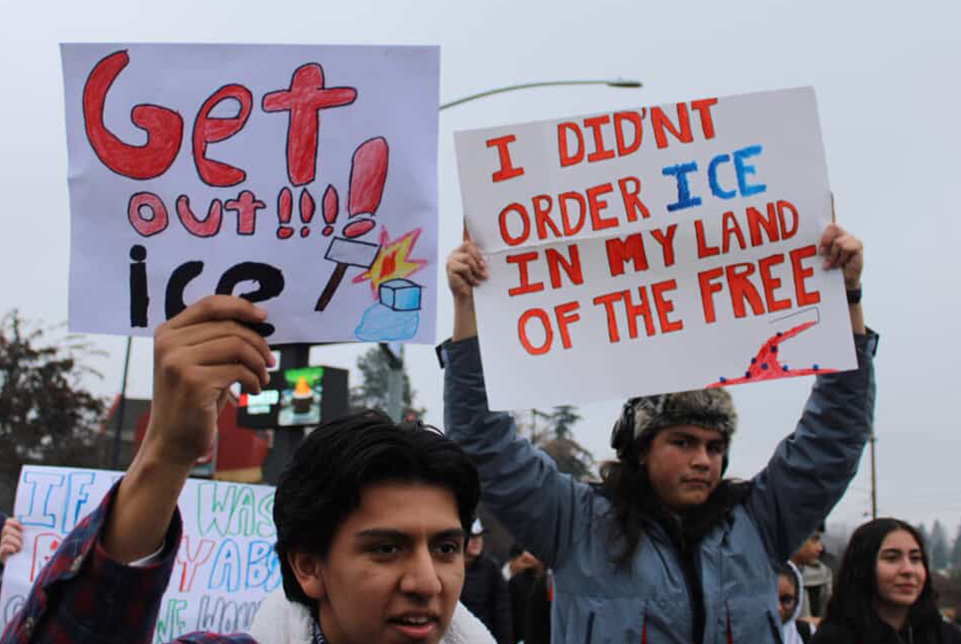
In recent years, Immigration and Customs Enforcement, also known as ICE, has become one of the most controversial agencies in the United States. What was once a lesser-known federal office is now a daily source of fear, protest, and national debate. For many families, immigration enforcement is no longer an abstract political issue. It is something that shows up at their workplace, their school, or their front door.
ICE was created after the September 11 attacks with the goal of enforcing immigration law and protecting national security. Over time, its role expanded far beyond the border. Today, ICE agents operate deep inside American communities, arresting people at traffic stops, job sites, courthouses, and homes. Supporters argue that this is necessary to uphold the law. Critics say it has crossed a line into intimidation and harm.
One of the most alarming aspects of current ICE enforcement is its unpredictability. In many cases, people detained by ICE have lived in the United States for years. Some have families, jobs, and no criminal record. Children come home from school to find a parent missing. Workers disappear from jobs without warning. Entire neighborhoods change their routines out of fear.
Teachers and school counselors have reported students showing up anxious and distracted, afraid that a parent might be taken while they are in class. Some families stop going to doctors or reporting crimes because they fear any interaction with authorities could lead to detention. This fear does not stay contained. It spreads through communities and affects everyone.
ICE tactics have also raised serious legal and ethical questions. Civil rights groups have criticized the use of administrative warrants, which are not signed by judges. Unlike criminal warrants, these documents do not grant permission to enter a home. Many people do not know this. When agents arrive wearing tactical gear and badges, residents often feel they have no choice but to comply.
Another major concern is accountability. ICE agents do not always wear clear identification, making it difficult for people to know who is at their door or to report misconduct. In a country built on transparency and due process, this lack of clarity has shaken public trust.
Across the nation, protests have erupted in response. Students, faith leaders, workers, and families have taken to the streets calling for reform. Some demand stricter oversight of ICE. Others call for the agency to be dismantled entirely. While opinions differ, one thing is clear. Immigration enforcement has become a defining moral issue of this generation.
This debate is not only about borders or laws. It is about what kind of country the United States wants to be. A nation where families live in constant fear. Or one where laws are enforced with humanity, restraint, and respect for basic rights.
For students watching this unfold, the lesson is unavoidable. Government power has real consequences. Policies written far away can shape the safety and stability of ordinary lives. Whether people agree or disagree with ICE, the urgency of the conversation shows how deeply immigration is tied to American identity.
As this issue continues to evolve, it deserves careful attention, honest reporting, and empathy. Because behind every statistic is a human being.