More Than a Fan: The Psychology of Parasocial Relationships
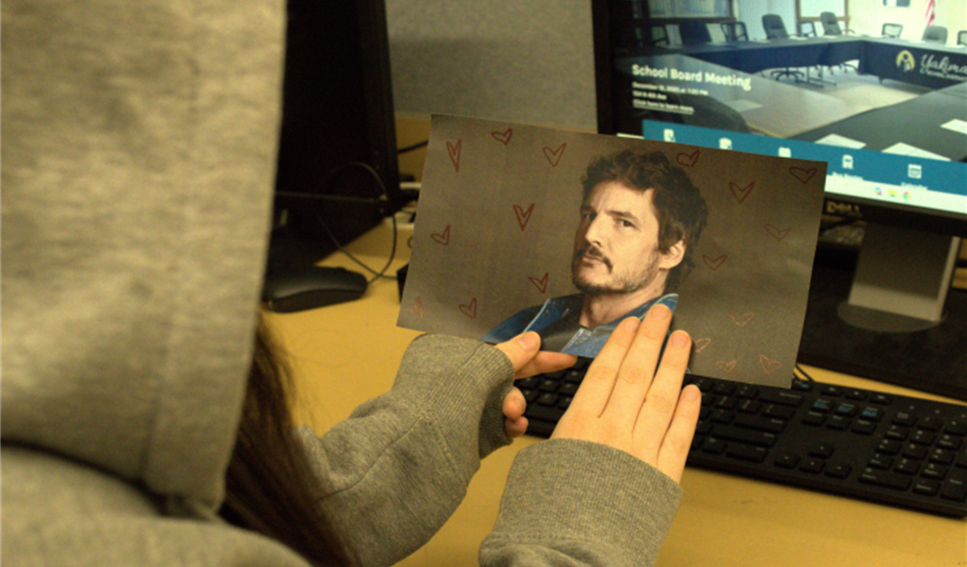
In an era dominated by influencers and constant online presence, many teenagers have developed a strikingly personal sense of connection with people they only encounter through their screens. These one-sided emotional bonds, called parasocial relationships, are now a defining feature of modern adolescence. Psychologists say that they even reveal as much about us as they do about the media we consume.
Parasocial relationships were first identified in the 1950s, but today’s platforms amplify them in ways that earlier researchers never could have imagined. Instead of watching a weekly television host, teens spend hours with creators who share daily routines, vulnerable confessions, and moments that tend to feel extremely intimate. When someone appears on your phone every day, breaking the fourth wall and speaking like a friend, your brain responds as if the interaction is reciprocal, even though it isn’t.
For many young people, these bonds serve real psychological functions. Adolescence is a period of finding your identity, and creators can often feel like role models or companions during that process. Some viewers turn to a favorite streamer for comfort during stressful times; others find inspiration in a musician's confidence or an athlete's discipline. In some ways, these connections even help reduce the overall feelings of loneliness. The appeal is understandable: parasocial relationships offer stability and closeness without the risk of conflict or rejection.
However, the same qualities that make these bonds comfortable can also make them really complicated. Because creators carefully curate what they share, viewers may end up comparing their real-world friendships to idealized online personas that they witness on social media. When emotional investment becomes a little too strong, teens may start to prioritize a creator’s presence over school, sleep, or relationships that are actually real and involve more mutual communication. And because influencer culture often blends a mix of personal storytelling with branding, it can make it difficult to tell where genuine openness ends and marketing begins.
Still, parasocial relationships aren't inherently unhealthy. The key, many psychologists note, is awareness. It is possible to admire and appreciate a creator and their presence online without mistaking the connection for a two-way relationship. Healthy engagement means enjoying the content, recognizing what is curated, and making sure that online connections enhance, rather than replace, the relationships you have offline.
Ultimately, parasocial relationships reflect how deeply digital life has become intertwined with emotional life. They can be comforting, motivating, and surprisingly meaningful. Understanding the psychology behind them can allow teens and people with online habits in general to navigate social media more intentionally and protect the important relationships that matter most: the ones grounded in the real world.