The Death of Boredom
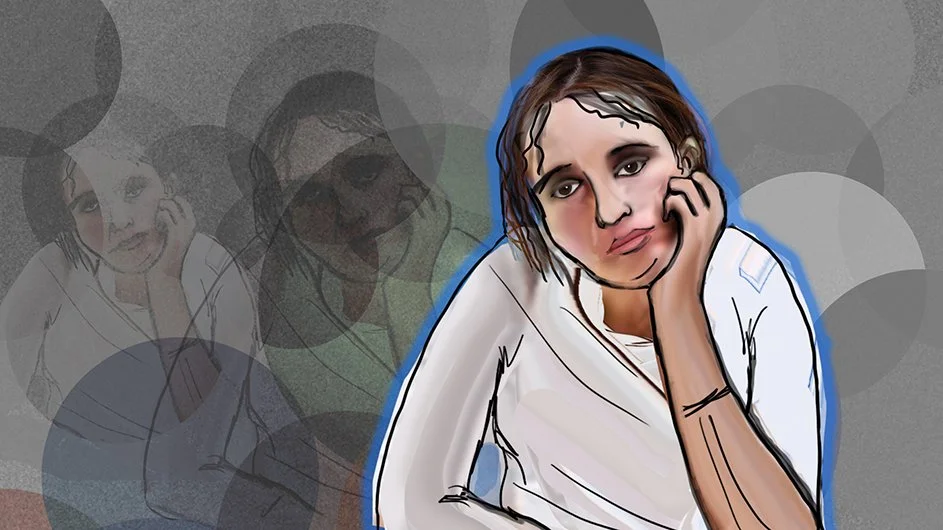
When was the last time you were truly bored? Not “waiting for Wi-Fi to connect” bored. Not “my friend hasn’t texted back in six minutes” bored. I mean the kind of boredom where you’re forced to just sit with your own thoughts, stare out a window, and let your brain wander wherever it wants. If you’re like most people, you probably can’t remember.
Boredom used to be a normal part of life. It happened in car rides, in waiting rooms, in those quiet few minutes before bed. Now those empty spaces have vanished. They’ve been filled, over-stuffed really, with an endless stream of content, stimulation, notifications, and noise. And we’ve gotten so used to it that a silent moment almost feels like a glitch. We don’t fear boredom because it’s unpleasant. We fear it because it feels unproductive. We have trained ourselves to think that every second must be filled with something; scrolling, checking, refreshing, consuming. The moment our minds start to drift, we yank them back with a screen.
But perhaps boredom isn’t the enemy. Maybe it’s the engine. We have rewired ourselves to panic in the silent moments. Stillness starts to feel unnatural, something that we rush to fill: a phone out during a 10-second elevator ride, a podcast blasting just to walk 30 feet, or a TikTok auto-playing in the background for no reason at all. We’re uncomfortable without stimulation because our brains have adapted to expect constant dopamine hits. A sort of permanent FOMO.
This isn’t an accident; it’s good for business. Tech companies make billions from our attention, and boredom is the enemy of engagement. The more empty moments they eliminate, the more opportunities they have to capture our focus. Every ping, scroll, or autoplay is designed to keep us from slipping into mental stillness where we step away and think. We didn’t lose boredom on our own, it was taken from us. And we’re paying for it. When life becomes nonstop stimulation, something strange happens: our minds stop being able to rest. Or think deeply. Or reflect. Or imagine. We’re slowly but surely becoming a generation that’s always entertained yet chronically overstimulated. Constantly connected, yet mentally exhausted. Rarely bored; rarely inspired.
Maybe the answer isn’t more noise, but less. What if boredom isn’t a sign that something is wrong, but a sign that something important is about to happen? What if the quiet moments, the awkward, slow, uncomfortable ones, are exactly where our minds should go in order to recover, recharge and create? We don’t need to delete our apps or throw our phones into a lake. But maybe there are tiny ways that we as a society can reclaim boredom. Next time you go on a walk, leave your earbuds at home. When you get up in the morning, get ready before you look at your phone. Let yourself stare at a ceiling once in a while. Not for productivity or a trend, just so your brain has a period of time to breathe.
Boredom isn’t a flaw in our modern world. It might just be the part we’re missing the most.