Penguins: Adorable, Awkward, Endangered
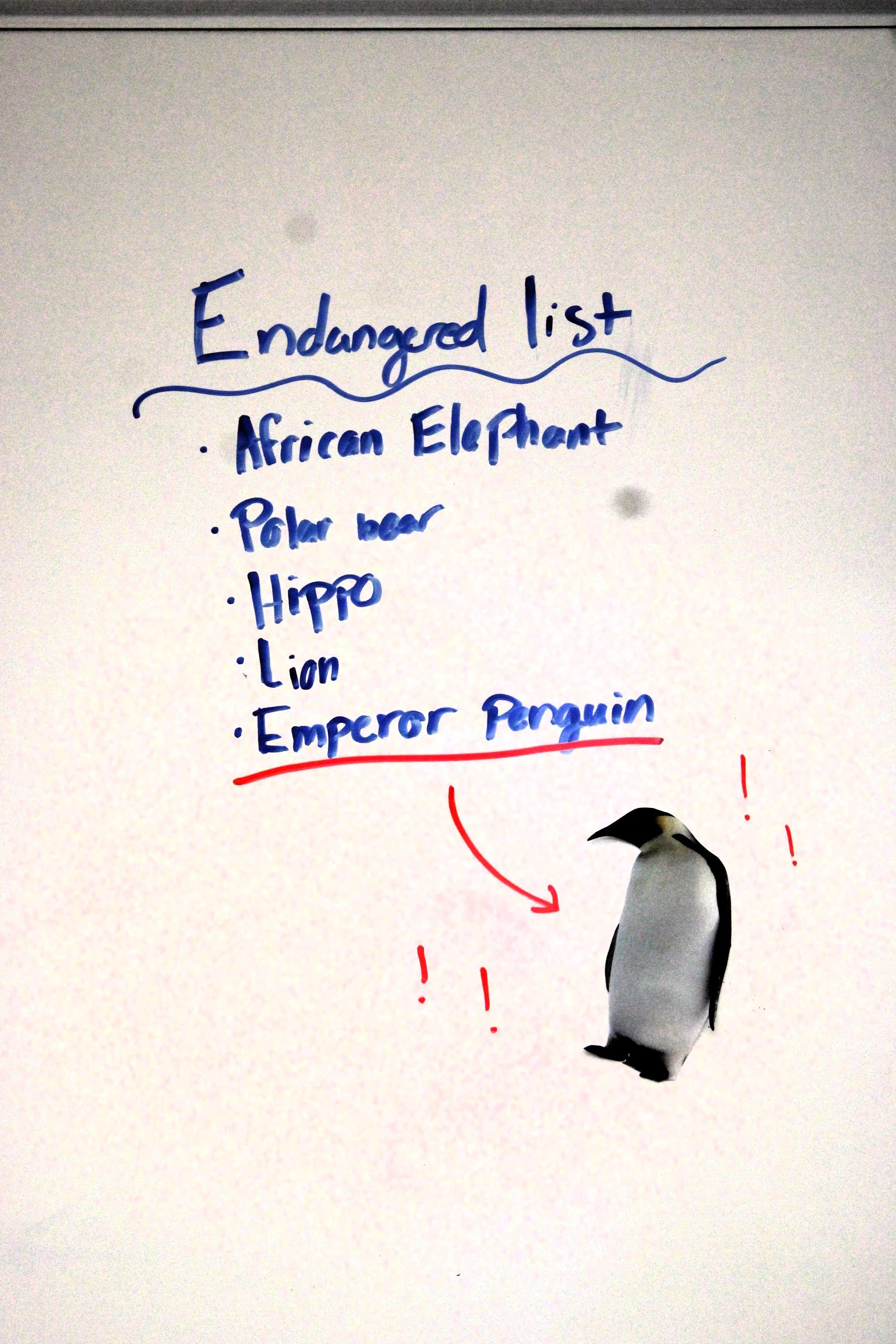
Penguins: adorable, awkward, and unfortunately back on the endangered species list. Several penguin species have been added back to this list due to the growing environmental crisis. Currently, there are 18 species of penguin living in the Southern Hemisphere, yet more than half are considered at risk of extinction.
A major concern involves the Emperor penguin, the largest penguin species. In 2026, they were officially classified as endangered due to the rapid loss of sea ice in Antarctica. They rely on stable sea ice to be able to breed, raise their chicks, and molt. As temperatures rise, the ice melts earlier than expected, which could cause chicks who don’t know how to swim to fall and drown in the ocean. As our global temperature continues to warm up, by the end of this century, 50% of the population will have declined, scientists say.
So what’s causing all these problems? Climate change. With warmer temperatures, ice habitats are disappearing, and warming water is causing the food chain to shift. Penguins rely on sardines and anchovies. Overfishing and environmental changes have also caused penguins to travel far to hunt and provide for themselves. This makes it even harder for them to survive and feed their chicks.
Another big cause is human activity. Oil spills, destruction of habitats, and pollution have further damaged their ecosystems. Again, overfishing is a big threat against penguins. “It talks about how some species of penguins have experienced extreme declines since the 1900s, and it is believed that overfishing is partly to blame for that.”(Daskalos) Not only have people been taking their food source, but they have also hunted penguins for their skin and oils.
Don’t think this is the end of all penguins. There are still solutions and changes we can make to support. We could start managing our fish industries, improving breeding/nesting, and hand-rearing chicks could make a big difference. “Some of these management interventions will not only help to conserve and save the penguins but may also help protect other marine species from facing a similar plight.” (WSO) Yes, these things seem like a lot to do, but with the involvement of everyone, a big change could be made.
For more information, visit www.worldwildlife.org, riendoftheearth.org, torymaps.arcgis.com, iucn.org.