What Childhood Trauma Does to Your Brain
When people hear the word “trauma,” they usually think of something dramatic or obvious. But it can also be things like constant stress, instability, or growing up in an environment where you never really felt safe. What makes it more serious than people realize is that it doesn’t just affect how you feel. It can actually change how your brain develops.
When you’re a kid, your brain is still figuring everything out. It builds connections based on what you experience the most. So if your environment is calm and stable, your brain learns how to stay calm. If it’s stressful or unpredictable, your brain adapts to that instead. One of the biggest things affected is your stress response. This is the system that decides when something is a threat. In people who went through a lot of stress early on, that system can become overactive. It basically gets used to being “on” all the time. That’s why some people feel anxious or on edge even when nothing is really wrong. Their brain isn’t trying to be dramatic, it’s just used to expecting something to go wrong.
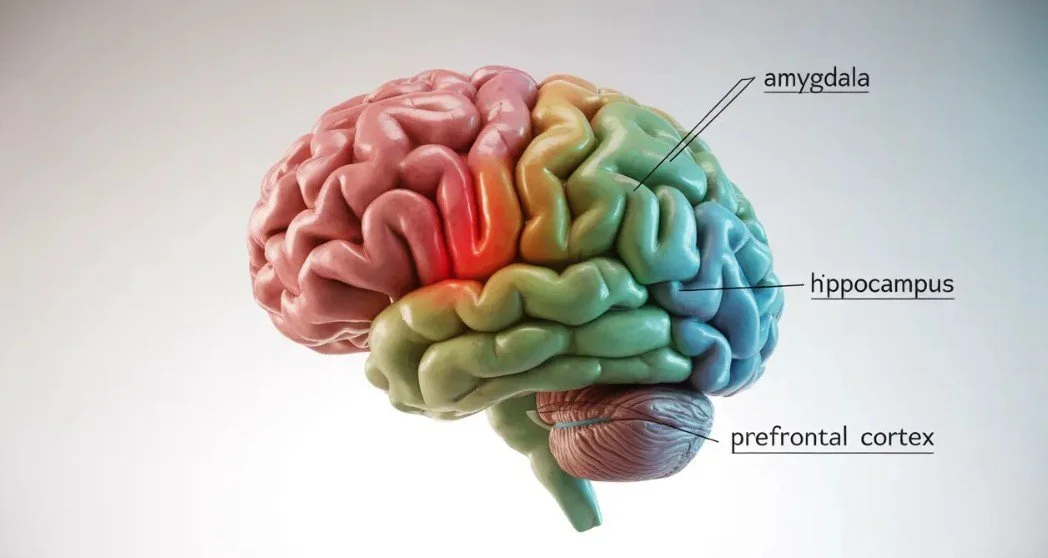
There are also specific parts of the brain involved. The amygdala, which handles fear and emotions, can become more sensitive. The prefrontal cortex, which helps you think things through and stay in control, doesn’t always develop as strongly under stress. And the hippocampus, which is tied to memory, can be affected too. You don’t need to memorize those names, but the idea is simple. The brain is being trained based on what it goes through.
The effects don’t just disappear when someone gets older. They can show up in ways that aren’t always obvious. Trouble focusing, overthinking, reacting strongly to small things, or having a hard time trusting people can all be connected to this. That said, it’s not permanent. The brain can change, even later in life. This is called neuroplasticity, which basically means your brain can rewire itself over time. Things like therapy, healthy routines, and stable environments can actually help undo some of those patterns.
Understanding this changes how you see people. Instead of assuming someone is just “too sensitive” or “bad at handling things,” there might be a reason their brain works the way it does.
Childhood experiences don’t just stay in the past. They can shape how someone thinks, reacts, and handles stress for years after. But they don’t have to define someone forever.