How Music Influences Brain Waves and Emotional Regulation
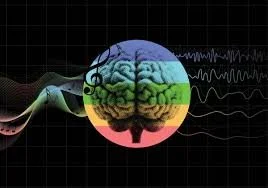
Music has a measurable impact on neural activity, emotional processing, and cognitive function. Research in neuroscience and psychology suggests that auditory stimuli such as rhythm, melody, and tempo can alter brain wave patterns and contribute to changes in mood and mental state.
Brain waves are patterns of electrical activity in the brain that correspond to different states of consciousness. Alpha waves are typically associated with relaxed wakefulness, beta waves with active thinking and concentration, and theta waves with deep relaxation or light sleep. Studies indicate that music can influence these patterns. Slow tempo and low-frequency music are often associated with increased alpha wave activity, which may promote relaxation and reduced stress. Faster, more complex music tends to increase beta wave activity, which is linked to heightened alertness and cognitive engagement. In some cases, repetitive rhythmic structures may encourage theta wave activity, which is associated with meditative or reflective states.
Music also plays a significant role in emotional regulation through its interaction with the brain’s limbic system. Listening to preferred music stimulates the release of dopamine, a neurotransmitter involved in reward and pleasure pathways. This neurochemical response helps explain music’s ability to rapidly influence mood, including reductions in perceived stress and increases in positive affect.
In addition to emotional effects, music can influence cognitive performance. Evidence suggests that music may enhance attention and working memory under certain conditions, particularly when the auditory environment is non-distracting and task demands are consistent. Long-term engagement with music, such as musical training, has also been associated with structural and functional changes in brain regions involved in auditory processing and executive control.
Overall, music functions as a complex auditory stimulus that interacts with multiple neural systems. Its ability to modulate brain wave activity and emotional state supports its use in therapeutic contexts and highlights its significance in understanding brain-behavior relationships.