The Downsides to Multitasking
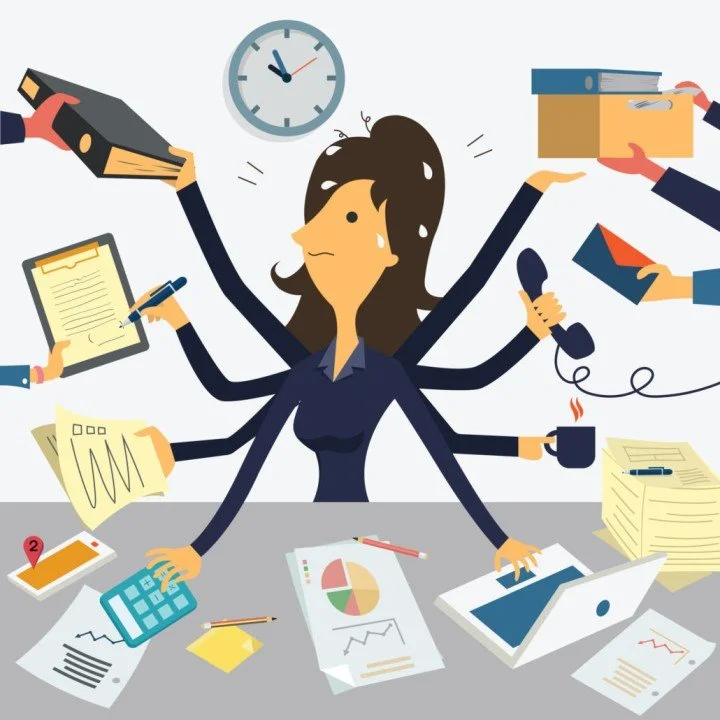
As a high school student, you probably think you are part of the 2.5% of people who use multitasking as an easy, efficient way to complete multiple tasks at once, as the name implies. In reality, though, you are probably part of the 97.5% of us who multitasking essentially dumps our work down the drain. Multitasking dramatically reduces efficiency and increases the risk of mistakes
Multitasking isn’t just bouncing from one task to another; it also includes music and conversations in the background of your work. So, being on FaceTime while writing an essay is going to greatly delay your productivity and probably make your GPA take a hit.
There is no point in trying to prevent multitasking altogether. I do it every day without even noticing. I wouldn’t expect a bunch of teenagers who are battling the responsibilities of their everyday life to change the way they handle their workload. Maybe spend 20 minutes on one task, then switch to another for 20 minutes, instead of trying to complete both at once, even if that feels like the least efficient way to do it. This is actually a scientifically proven method called “Time Boxing,” which involves completing a task in small “sprints” and keeping your full focus on it. This essentially eliminates the ‘switching time’ that your brain does when multitasking.
This isn’t a temporary effect either, as time goes on and you multitask more, your actual cognitive ability decreases. Studies have actually shown that students who multitask take longer to complete their work and get lower grades.
So even if you’re stressed out with tons of assignments, focusing on them one by one will help your grade more than getting them all done in 20 minutes. Monotasking significantly improves the quality of your work and reduces the time it takes to complete.