The Case for Assemblies After 6th Period
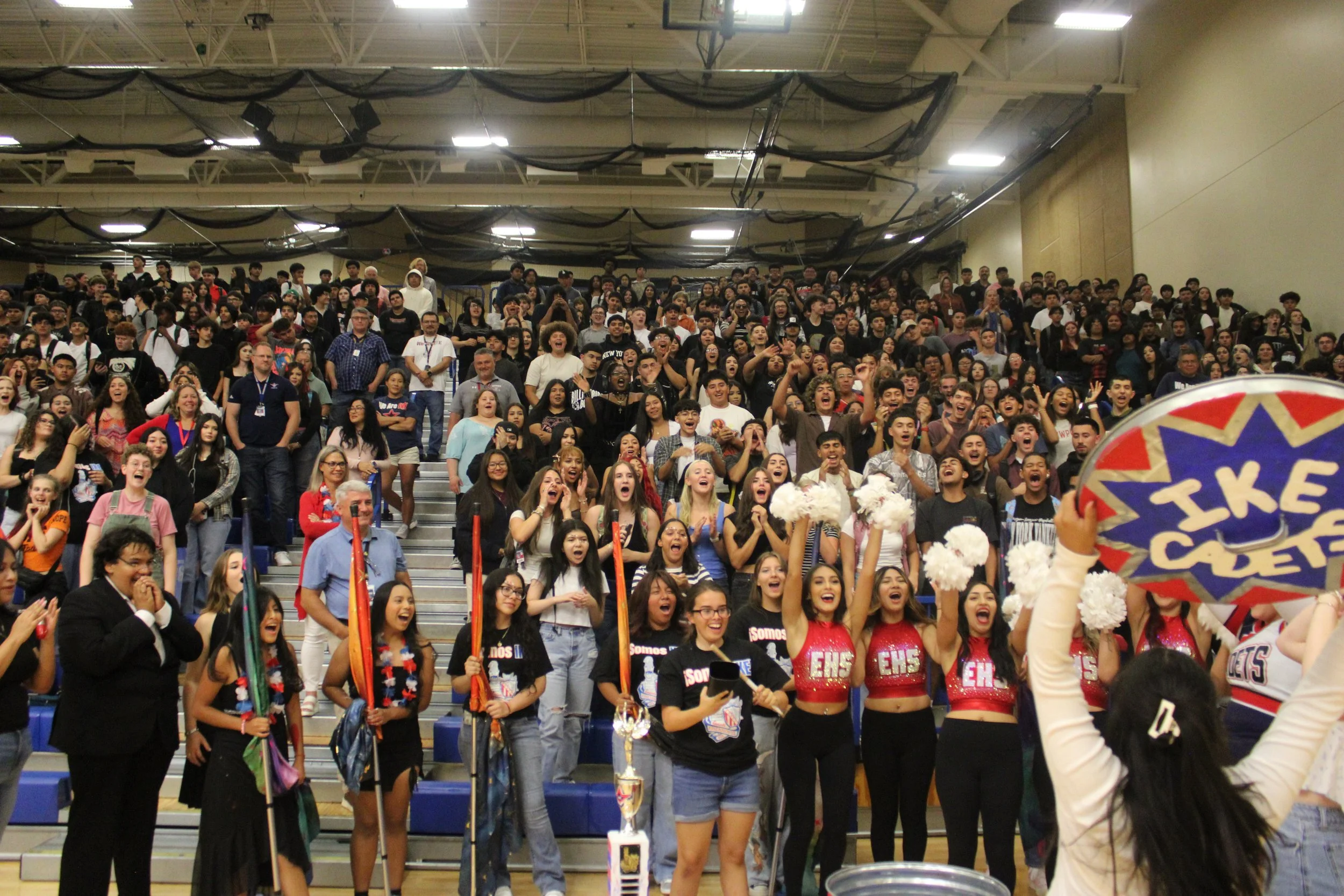
Have you ever sat through an assembly worrying about the math test coming up afterward? For many students, midday assemblies feel more like interruptions than opportunities. That's why schools should consider holding assemblies after the sixth period. This timing not only reduces stress but also ensures that assemblies fulfill their purpose: engaging students without disrupting their learning.
Assemblies held earlier often interfere with core academic classes. Teachers have to pause lessons, and students lose valuable instructional time. By scheduling assemblies after sixth period, schools protect the integrity of the academic schedule. Students can complete their most important assignments before turning their attention to integration activities. Timing is key to concentration. During the day, students are often distracted by homework, tests, or projects. However, after the sixth period, most of the academic pressure has subsided. Students are more relaxed and can listen, reflect, and participate more effectively in assemblies. This makes the experience more meaningful and less stressful. Teachers also benefit from this schedule. Classes can be planned without sudden interruptions, and assemblies serve as a natural transition to dismissal.
Ending the day with an assembly creates a sense of closure, allowing students to leave school with a shared message or inspiration, rather than rushing back to class. Some argue that assemblies should be held in the morning when students have the most energy. While energy levels may be higher, mornings are also the most productive time for academic learning. Preserving that time for instruction ensures that assemblies don't interfere with essential coursework. Afternoon assemblies, on the other hand, allow students to participate without sacrificing academic focus. Student assemblies aim to inspire, inform, and unite. To achieve these goals, timing is crucial.
Holding assemblies after sixth period maximizes attention, minimizes disruptions, and strengthens both academic and community life. If schools want assemblies to be remembered for their message rather than the inconvenience they cause, scheduling them after sixth period is the smartest choice.